Rómeó és Júlia's Lehetsz Király: A Profound Critique of Power and an Ode to Unfettered Freedom
The Hungarian musical adaptation of William Shakespeare's timeless tragedy, *Rómeó és Júlia*, offers a fresh and vibrant interpretation of the classic tale. Among its many memorable numbers, "Lehetsz Király" stands out as a powerful anthem, not just for its infectious energy, but for its profound philosophical commentary. Far from a simple pop song, the
Lehetsz Király Dalszöveg (lyrics) encapsulate a radical critique of established power structures and an unabashed celebration of individual liberty, pleasure, and the rejection of societal burdens. This song, primarily driven by Mercutio's irreverent spirit and supported by Romeo and Benvolio, serves as a pivotal moment, articulating the youthful rebellion against the rigid, often hypocritical, world of their elders.
The Illusions of the Crown: A Scathing Look at Royalty
"Lehetsz Király" immediately establishes a stark dichotomy between the perceived glory of kingship and its grim reality. Mercutio's opening lines paint a picture of a hollow existence:
"Lehetsz király, hiába vagy / A mosolyod úgyis az arcodra fagy / Királynak lenni, az mámorító" – "You can be king, but it's useless / Your smile will freeze on your face anyway / Being king, that's intoxicating." The initial allure of power is acknowledged, but swiftly undercut by the image of a forced, unauthentic smile, suggesting that even the highest office cannot bring genuine happiness. The intoxicating feeling of power is fleeting, leaving behind a cold, isolated reality.
Benvolio reinforces this sentiment, observing the "poor boys up there" ("Szegény fiúk ott legfelül") who are "clad in gold, but utterly alone" ("Talpig aranyban, de tök egyedül"). This imagery of a gilded cage powerfully conveys the isolation and emotional poverty that often accompany immense power. Their position, far from being one of freedom, is described as a "burden, just a foolish chain" ("A hatalom nyűg, csak ostoba lánc"). In stark contrast, the song champions the freedom of those "down here," where "the dance is constantly free" ("Amíg itt lenn folyton szabad a tánc!"). This juxtaposition lays the groundwork for the song's central argument: true liberation isn't found in a crown, but in embracing life's simpler, more visceral joys.
Embracing Unfettered Pleasure: The Anthem of the Free Spirit
The chorus of "Lehetsz Király" is an exhilarating declaration of hedonism and self-indulgence. It champions a life lived purely for pleasure, unburdened by moralistic constraints or the demands of power.
"Mámort hoz és kéjjel kínál minden száj és bájos szempár / Csók ha csattan, láb ha röppen, nadrág csusszan, ágyú dörren / Élj,ahogy jól esik az sem baj, ha meg is lesik! / Tedd azt, ami élvezet,bizsergesd a tested-lelked!" This verse is a riot of sensory details – kisses, dancing, flying feet, sliding trousers, booming cannons – all metaphors for uninhibited carnal and emotional release.
The core message is an unequivocal endorsement of living as one pleases ("Élj, ahogy jól esik"), even if it means being observed ("az sem baj, ha meg is lesik!"). The ultimate goal is pure enjoyment, stimulating both body and soul ("bizsergesd a tested-lelked!"). This is presented as the "true good" ("az igazi jó"), a direct challenge to the perceived "good" of power and status. The song suggests that while kings are locked away, guarding themselves from the sun, oblivious to love, the true richness of life unfolds in the streets, in shared moments of joy, passion, and sensory experience. This vibrant embrace of life's immediate pleasures serves as a powerful counter-narrative to the sterile, isolated existence of the ruling class. To explore this theme further, consider reading
Lehetsz Király Dalszöveg: Freedom, Power, and Pleasure Explored.
Mercutio's Radical Stance: A Disavowal of Love and Conflict
Perhaps the most provocative and distinct part of the
Lehetsz Király Dalszöveg is Mercutio's rap segment, where he expresses a profound skepticism and outright rejection of romantic love. He characterizes love as a "whirlpool" ("örvény") and an "ancient law" ("ősrégi törvény") that ultimately "pulls you into a trap" ("behúz a csőbe"). His fierce independence leads him to declare, "Me with a woman? That's out of the question!" ("Hogy én egy nőbe? Az ki van csukva!").
Mercutio views love not as a blissful union, but as a dangerous, destructive force – an "idiotic feeling," an "hurricane," a "storm," a "typhoon," a "cyclone" that could "knock him down." He boasts of maintaining his "cold blood" ("hidegvérem") and stepping away if the ground gets "hot" ("ha forró a talaj, lelépek szépen"). For him, transient pleasure and intoxication are not far from his nature as a "confirmed rogue" ("megrögzött kannak"), always ready to charm and move on. His cynical advice – "So find a ram, and love now, because tomorrow you might be finished!" ("Hát keress egy kost, és szeress most, Mert holnap már lehet hogy véged!") – highlights a carpe diem philosophy rooted in impermanence and a refusal to be tied down.
This rejection of love, especially in a play famed for its passionate romance, provides a crucial contrasting perspective. It underlines the theme of opting out of established systems – not just political power, but also the societal expectation of enduring romantic love, which often brings its own set of burdens and conflicts. Romeo, Mercutio, and Benvolio collectively agree:
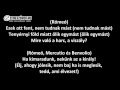
"Mire való a harc, a viszály? / Ha kimaradunk, nekünk az a király!" ("What is the point of war, of strife? / If we stay out of it, that is royalty to us!"). This line profoundly encapsulates their desire to disengage from the feuds and attachments that define the adult world, finding "royalty" in non-participation and personal freedom. For a deeper dive into Mercutio's complex philosophy, explore
Mercutio's Message: Rejecting Love & Royalty in Lehetsz Király.
Lehetsz Király: A Philosophical Statement Beyond the Stage
The
Lehetsz Király Dalszöveg transcends its role as a musical number, becoming a vibrant philosophical statement on power, freedom, and the pursuit of happiness. It challenges the inherent value of authority and wealth, suggesting that true fulfillment lies not in governing or accumulating, but in embracing the immediate, sensual experiences of life. The song critiques the isolation of the powerful, their ignorance of genuine human connection, and their pointless conflicts over "a palm-sized piece of land."
In essence, "Lehetsz Király" is an anthem for the disaffected youth, a rallying cry for those who find the established order confining and hypocritical. It presents an alternative worldview where self-gratification, uninhibited joy, and a conscious withdrawal from destructive conflicts are the ultimate forms of sovereignty. This perspective, while perhaps hedonistic, also carries a profound message about individual autonomy and the right to define one's own version of a "good life," free from the burdens of crowns, feuds, and even the complexities of deep romantic attachment. The song's enduring popularity speaks to the universal appeal of its message: that sometimes, the greatest power lies in choosing freedom over a crown, and pleasure over pretense.
In conclusion, "Lehetsz Király" from *Rómeó és Júlia* is much more than a catchy tune. It's a masterfully crafted piece of musical theatre that distills complex themes of power, freedom, love, and rebellion into an electrifying performance. Its lyrics offer a poignant critique of societal structures, providing a youthful, rebellious perspective that challenges the status quo and celebrates the intoxicating allure of living life on one's own terms. The song remains a powerful and relevant commentary on the true meaning of royalty, posing the question: Is it the crown you wear, or the freedom you embody?